Highlights
Real-time aerial monitoring & data capture
High-precision GPS & navigation systems
AI-powered analytics & imaging
Cost-effective and scalable solutions
 Solutions for Smart Surveillance & Automation.png)
What are Aerial Drones (UAVs)?
Aerial drones, also known as Unmanned Aerial Vehicles (UAVs), are aircraft systems that operate without a human pilot onboard. These drones are controlled remotely or can fly autonomously using pre-programmed routes and intelligent navigation systems.
Modern UAVs are equipped with high-resolution cameras, sensors, GPS modules, and AI-based software, enabling them to perform complex tasks such as surveillance, mapping, inspection, and delivery.
Our Trusted Clients






Problems
Challenges in Traditional Methods
✔ Time-consuming manual inspections
✔ Limited accessibility in remote areas
✔ High operational costs
✔ Safety risks for human workers
Solution
Our UAV Drone Solutions
At Hindsky Innovations, we provide advanced drone solutions tailored to your business needs.
Our solutions help you:
✔ Improve operational efficiency
✔ Reduce costs and risks
✔ Capture real-time insights
✔ Automate aerial tasks
Comprehensive Aerial Drones (UAV) Solutions
Real Results Delivered with Aerial Drones (UAV) Solutions for Smart Surveillance & Automation
See how Hindsky Innovations transformed a drone manufacturing company.
hindinnovations.com
Rajasthan-Based Drone Manufacturing Company
Challenges
- ✔ Low Production Efficiency
- ✔ High Error Rate in Assembly
- ✔ Limited Scalability
Solution
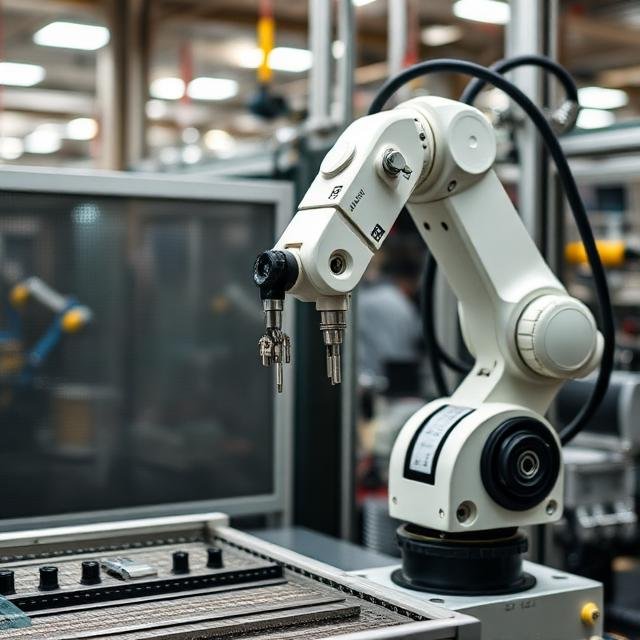
Custom Robotics Automation by Hindsky Innovations
- ✔ Robotic Arm for Precision Assembly
- ✔ Automated Workflow Integration
- ✔ Training & Support
3X
Production Increase
50-60%
Error Reduction
Improved ROI
Our Implementation Process


Get Free Consultation for Aerial Drones (UAV)
Frequently Asked Questions
Aerial drones, also known as Unmanned Aerial Vehicles (UAVs), are aircraft that operate without an onboard pilot. They use flight controllers, GPS, sensors, cameras, communication modules, and onboard computing systems to perform autonomous or remotely controlled missions. Modern UAVs are widely used in industrial inspections, mapping, surveying, surveillance, agriculture, infrastructure monitoring, emergency response, defense, and scientific research.
Aerial drones are transforming multiple industries, including manufacturing, construction, mining, agriculture, oil and gas, utilities, renewable energy, telecommunications, logistics, public safety, education, research institutions, and defense. They improve operational efficiency, reduce inspection risks, and provide accurate real-time aerial data for informed decision-making.
The most common UAV categories include:
- Multi-rotor drones
- Fixed-wing drones
- Fixed-wing VTOL drones
- Single-rotor helicopters
- Hybrid UAV platforms
- Long-endurance surveillance drones
- Industrial inspection drones
- Heavy-lift cargo drones
Each type is designed for different flight endurance, payload capacity, speed, and operational requirements.
Industrial UAVs enable safe inspections of power lines, transmission towers, bridges, factories, refineries, pipelines, wind turbines, solar plants, warehouses, telecom towers, and large industrial assets. High-resolution cameras, thermal imaging sensors, LiDAR, and AI-powered analytics help identify defects, corrosion, structural damage, heat loss, and maintenance requirements without exposing personnel to hazardous environments.
Modern UAV platforms combine several advanced technologies, including:
- Artificial Intelligence (AI)
- Machine Learning
- Computer Vision
- GPS and RTK positioning
- LiDAR mapping
- Thermal imaging
- Multispectral imaging
- Edge computing
- Autonomous navigation
- Obstacle avoidance
- Cloud connectivity
- Digital Twin integration
These technologies enable intelligent autonomous flight and accurate data collection.
A complete UAV system typically consists of:
- Flight controller
- Brushless motors
- Electronic Speed Controllers (ESCs)
- Propellers
- Frame
- Battery system
- GPS module
- Radio transmitter and receiver
- Telemetry system
- Camera payload
- Communication module
- Sensors
- AI processing hardware
Selecting the right components depends on the intended application, payload, endurance, and environmental conditions.
UAVs operate in the air for aerial missions, UGVs (Unmanned Ground Vehicles) perform autonomous or remote-controlled operations on land, while underwater drones (ROVs and AUVs) are designed for underwater inspection, exploration, research, and maintenance. Together, these autonomous platforms support industries requiring comprehensive air, land, and underwater operations.
AI-powered drones automate flight planning, object detection, infrastructure inspection, anomaly detection, predictive maintenance, inventory monitoring, and data analysis. Artificial Intelligence significantly reduces manual effort while improving operational safety, inspection accuracy, and decision-making across industrial environments.
Yes. Universities, engineering colleges, polytechnic institutes, research centers, and innovation hubs are increasingly establishing UAV laboratories to provide practical training in drone design, autonomous flight, AI integration, GIS mapping, remote sensing, robotics, and industrial applications. These laboratories support skill development, research, and industry collaboration.
Organizations should comply with the applicable aviation authority regulations, obtain required permissions, follow operational safety standards, maintain pilot certifications where necessary, and ensure responsible use of airspace. Compliance requirements may vary depending on the country, mission type, flight altitude, payload, and operational environment.