Highlights
Real-time underwater video & data capture
High-depth operation capability
AI-powered navigation & inspection
Safe and cost-effective underwater solutions

What are ROVs & AUVs?
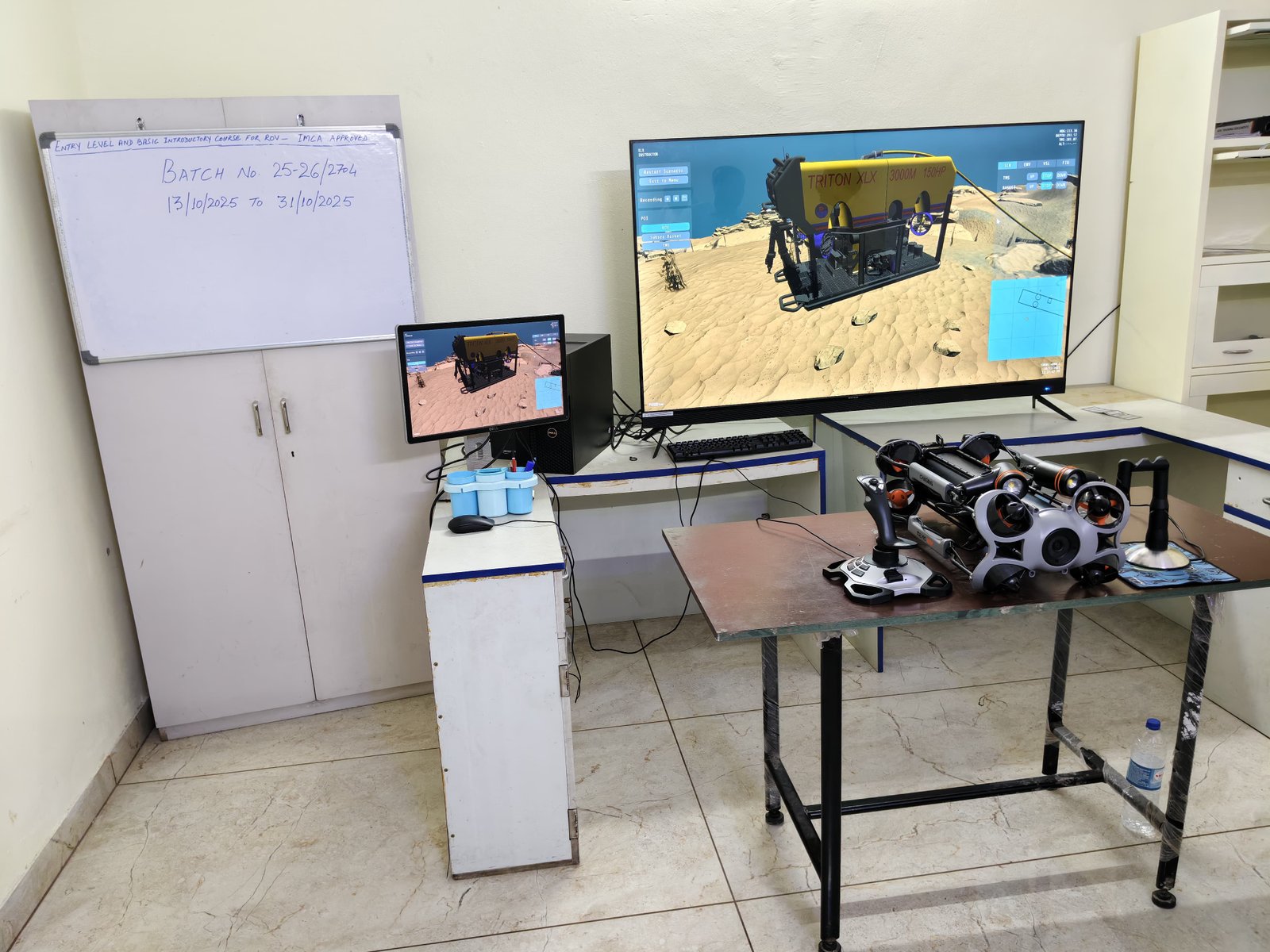
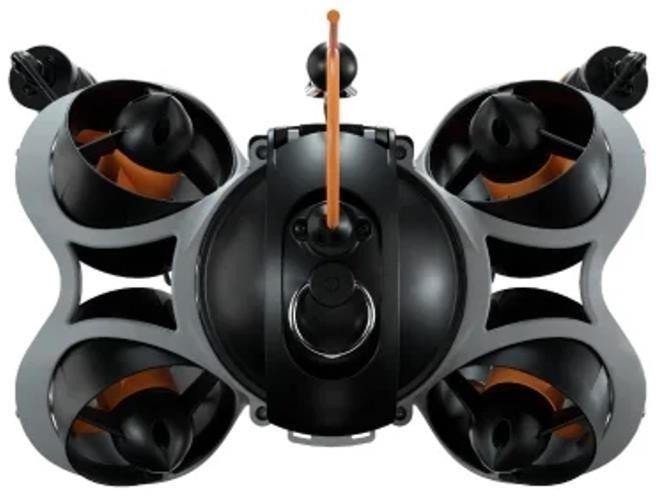
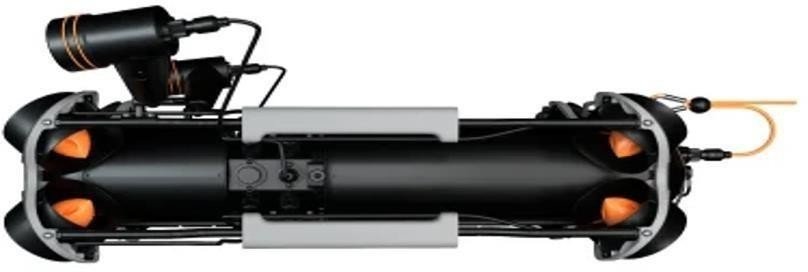
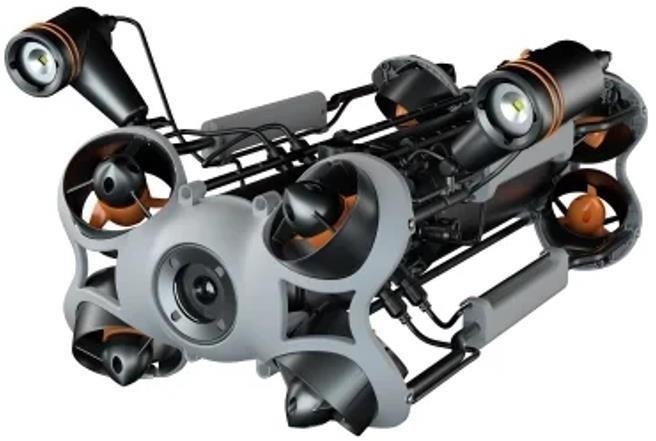
Underwater drones are robotic systems designed to operate below the water surface without direct human presence.
- ROV (Remotely Operated Vehicle): Controlled by an operator via a tether cable.
- AUV (Autonomous Underwater Vehicle): Operates independently using pre-programmed routes and AI-based navigation.
These systems are equipped with cameras, sonar, sensors, and robotic arms, making them ideal for exploration, inspection, and data collection in underwater environments.
Our Trusted Clients





Problems
Challenges in Traditional Underwater Operations
✔ High risk for human divers
✔ Limited underwater visibility
✔ Expensive and time-consuming operations
✔ Difficult access to deep or hazardous areas
✔ Marine research & exploration
✔ Oil & gas pipeline inspection
✔ Ship hull inspection
Solution
Our Underwater Drone Solutions
At Hindsky Innovations, we design and deploy advanced underwater drones tailored to your specific operational needs.
Our solutions help you:
✔ Reduce risks for human divers
✔ Perform deep-water inspections safely
✔ Capture accurate real-time data
✔ Improve efficiency and reduce costs
Comprehensive Underwater Drones (ROV / AUV) Solutions
Real Results Delivered with Underwater Drones (ROV / AUV) for Smart Marine Exploration & Inspection
See how Hindsky Innovations transformed a drone manufacturing company.
hindinnovations.com
Rajasthan-Based Drone Manufacturing Company
Challenges
- ✔ Low Production Efficiency
- ✔ High Error Rate in Assembly
- ✔ Limited Scalability
Solution
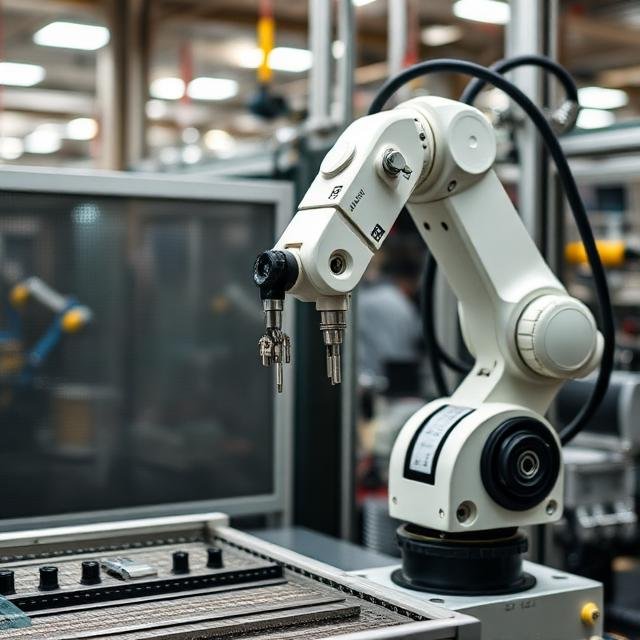
Custom Robotics Automation by Hindsky Innovations
- ✔ Robotic Arm for Precision Assembly
- ✔ Automated Workflow Integration
- ✔ Training & Support
3X
Production Increase
50-60%
Error Reduction
Improved ROI
Our Implementation Process

Get Free Consultation for Underwater Drones (ROV / AUV)
Frequently Asked Questions
Underwater Drones, also known as Unmanned Underwater Vehicles (UUVs), are robotic systems designed to perform underwater inspection, exploration, monitoring, and data collection without exposing human divers to hazardous environments. They are broadly classified into Remotely Operated Vehicles (ROVs), which are controlled by operators through a tether, and Autonomous Underwater Vehicles (AUVs), which navigate independently using onboard sensors, navigation systems, and Artificial Intelligence. These technologies are widely used for marine research, offshore inspections, defense, and industrial asset monitoring.
A Remotely Operated Vehicle (ROV) remains connected to an operator through a communication cable, allowing real-time control, live video transmission, and precision inspection. An Autonomous Underwater Vehicle (AUV) performs pre-programmed missions independently using advanced navigation, sonar, AI, and environmental sensors without continuous human intervention. Organizations select either system depending on mission complexity, communication requirements, and operational objectives.
Underwater drones are increasingly adopted across offshore oil and gas, ports and harbours, shipping, renewable energy, marine construction, aquaculture, environmental monitoring, defense, naval operations, scientific research, hydroelectric projects, water utilities, and infrastructure inspection. These systems enable safer inspections while reducing operational costs and minimizing downtime in underwater environments.
ROVs and AUVs are used for underwater pipeline inspections, ship hull inspections, dam inspections, bridge foundation surveys, offshore platform monitoring, underwater mapping, seabed exploration, marine biodiversity research, search and rescue operations, port security, underwater infrastructure maintenance, and scientific oceanographic surveys. Their ability to collect accurate underwater data makes them essential for modern marine operations.
Modern underwater drones combine Artificial Intelligence (AI), Computer Vision, Sonar Imaging, LiDAR (where applicable), inertial navigation systems, Doppler Velocity Logs (DVL), underwater positioning systems, GPS surface synchronization, obstacle avoidance, sensor fusion, acoustic communication, edge computing, and autonomous mission planning. These technologies improve navigation accuracy, inspection quality, and operational efficiency even in challenging underwater environments.
Yes. Universities, engineering colleges, marine research institutes, innovation centers, and government organizations are increasingly establishing Underwater Robotics Laboratories to support education, research, AI development, ocean technology, autonomous navigation, marine engineering, and defense technology programs. Such laboratories provide hands-on learning opportunities while promoting innovation in underwater robotics and autonomous systems.
Underwater drones reduce the need for manual diving by performing inspections in confined, hazardous, or deep-water environments. They provide high-resolution imagery, sonar mapping, structural assessments, corrosion monitoring, leak detection, and real-time underwater data collection. This enables organizations to improve safety, reduce maintenance costs, increase inspection frequency, and make informed asset management decisions.
Organizations should evaluate operational depth, mission duration, payload capacity, sensor requirements, navigation accuracy, communication systems, environmental conditions, inspection objectives, AI capabilities, integration with existing digital infrastructure, maintenance requirements, and future scalability. Selecting the right underwater drone platform depends on both technical requirements and long-term operational goals.
Underwater drones are increasingly deployed for naval surveillance, underwater reconnaissance, mine countermeasure support, port and harbor security, offshore asset monitoring, underwater pipeline inspections, and critical infrastructure protection. Their ability to operate in hazardous or inaccessible underwater environments enhances situational awareness while reducing operational risks.
Hindsky Innovations delivers end-to-end underwater robotics solutions by integrating autonomous underwater technologies, Artificial Intelligence, robotics, marine inspection systems, and advanced research infrastructure. The company supports educational institutions, government organizations, defense agencies, research centers, ports, shipping companies, offshore industries, and enterprises with customized underwater drone platforms, laboratory setup, technical training, research support, and future-ready innovation ecosystems.